Somewhere in your family there is an inventory. Ginger when the mornings turn queasy. A warm drink on the first day of a period. Something steeped and sweetened for the years when sleep starts to break up. The habit travelled down the generations. The reason behind it usually stayed where it started.
Women's health was never a footnote.
It is easy to assume the old systems of medicine treated women as an afterthought. The written record says otherwise. Ayurveda gave women's health a branch of its own, with its own texts. In Japan today, a woman with painful periods or hot flushes can walk into a pharmacy and be given a Kampo formula on prescription, covered by the same insurance as any other medicine. In India, the Unani treatment guidelines carry whole chapters on painful and irregular periods, laid out like clinical protocols, because that is what they are.
Three continents, three very different vocabularies, the same stubborn attention to what actually helps. And people never stopped using it. A survey published in BMJ Open in 2026 found that two in three UK adults had used a traditional or complementary remedy in the previous year. Searches for perimenopause supplements rose by more than half in a single year. That is a lot of people making decisions in the dark.
Some of it has been tested, and some of it works.
Take ginger. For nausea in early pregnancy, a 2014 review pulled together trials covering more than a thousand women and found it did about as well as vitamin B6, the standard first suggestion. That is a kitchen remedy with a proper evidence base behind it. Honeybush, a southern African tea people reach for during menopause, has centuries of use and almost no research at all. The honest answer there is that nobody has looked properly.
It helps to remember that modern medicine has its own unfinished business here. Endometriosis still takes years to diagnose. Polycystic ovary syndrome was renamed in 2026 after decades under a label that described one symptom and hid the rest. Menopause advice has changed direction twice in twenty years. This is a field still finding its way, which makes every other set of notes worth reading rather than dismissing.
Four shelves, side by side.
This is what Remedae is for. Every tradition's answer to the same question sits on one page, with a plain grade for how much research stands behind it and a link to where it came from. These are the women's health shelves as they stand today.
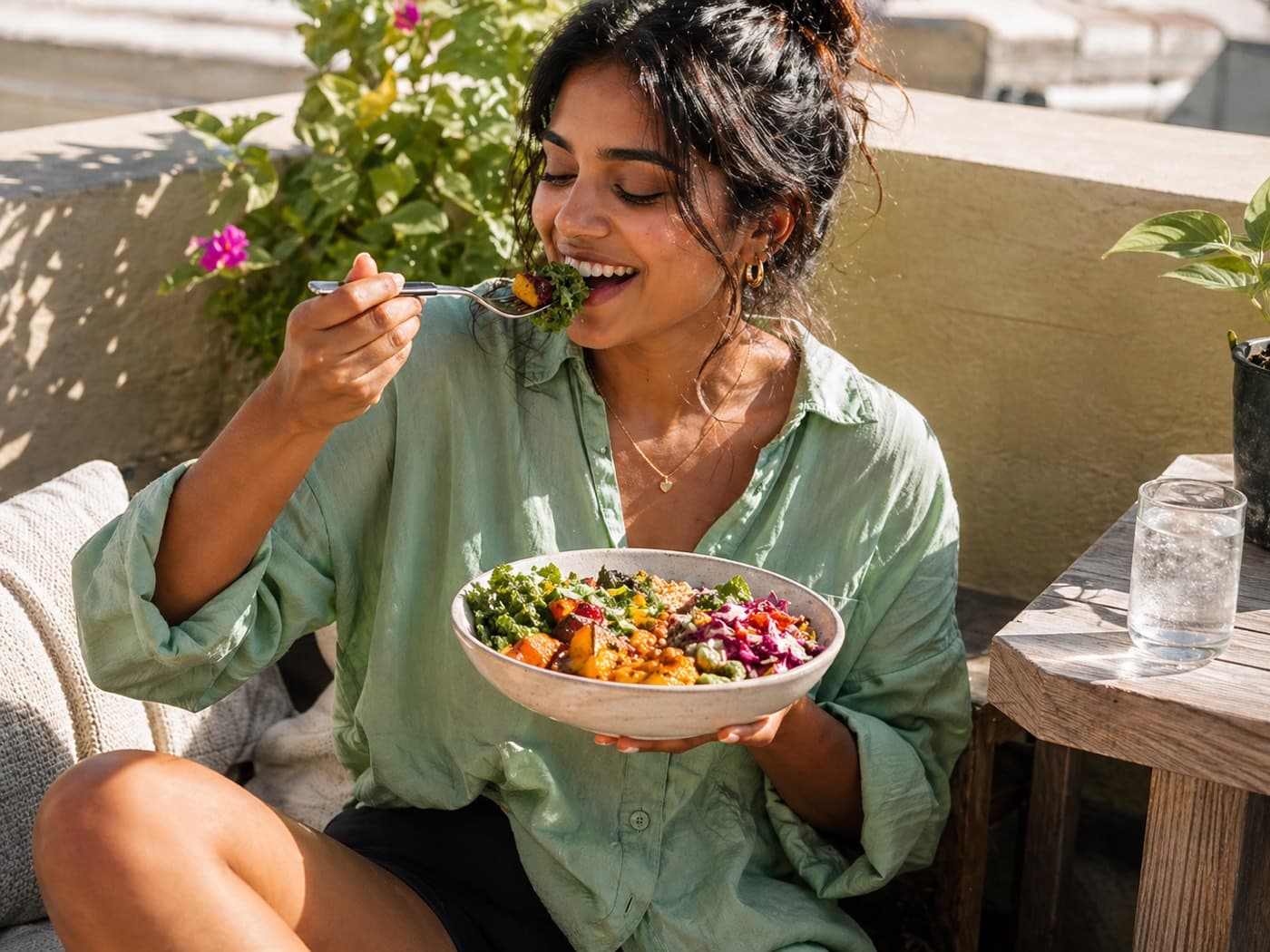
A new frontier, and where it needs hands.
Women's health is having a moment it has never had before. In 2026 an international group of researchers, working with the women who live with it, renamed polycystic ovary syndrome so the name finally describes the whole condition. Endometriosis is searched around 225,000 times a month in the UK alone, which means the questions are being asked out loud now rather than swallowed. Kampo formulas for the menopause are prescribed, studied and paid for in Japan. A kitchen remedy for pregnancy nausea has a review of more than a thousand women behind it. None of this was true a generation ago.
So the frontier is real, and it has edges. The remedies women have used for centuries that no trial has looked at. The formulas studied once, in one country, twenty years ago, and never again. The conditions where every tradition has something to say and the research column is still blank. Those are the studies we would most like to see, and building this library is how we are gathering the questions for them.
That is the heart of what Remedae is trying to do. Put the world's healing knowledge in one place, say plainly how much is known about each piece of it, and bring the two halves of the story back together: what women have always done, and what we can now show.
Until then, there is plenty to read. Start with whichever shelf matches the week you are having.