If you gave a sleep physician, an Ayurvedic vaidya, a Kampo doctor, a naturopath and a Yogic teacher the same brief, write down five things you would tell someone who cannot sleep, and you would get remarkably similar lists. Not identical, but close.
The five most tradition converge on.
- Dim the lights an hour before bed. Not off, dim. The retina reads amber and yellow as evening.
- Eat earlier, and lighter, than you think you need to. Digestion competes with rest for the same nervous system.
- Warm the feet. A 1999 study in Nature found that warm feet, which let the body shed core heat, predicted how quickly people fell asleep.
- Do not read on your phone in bed. Read a physical book, if you must read.
- Get up at the same time each day, weekends included. A stable wake time is the anchor of every sleep clinic's advice.
Where the traditions genuinely diverge.
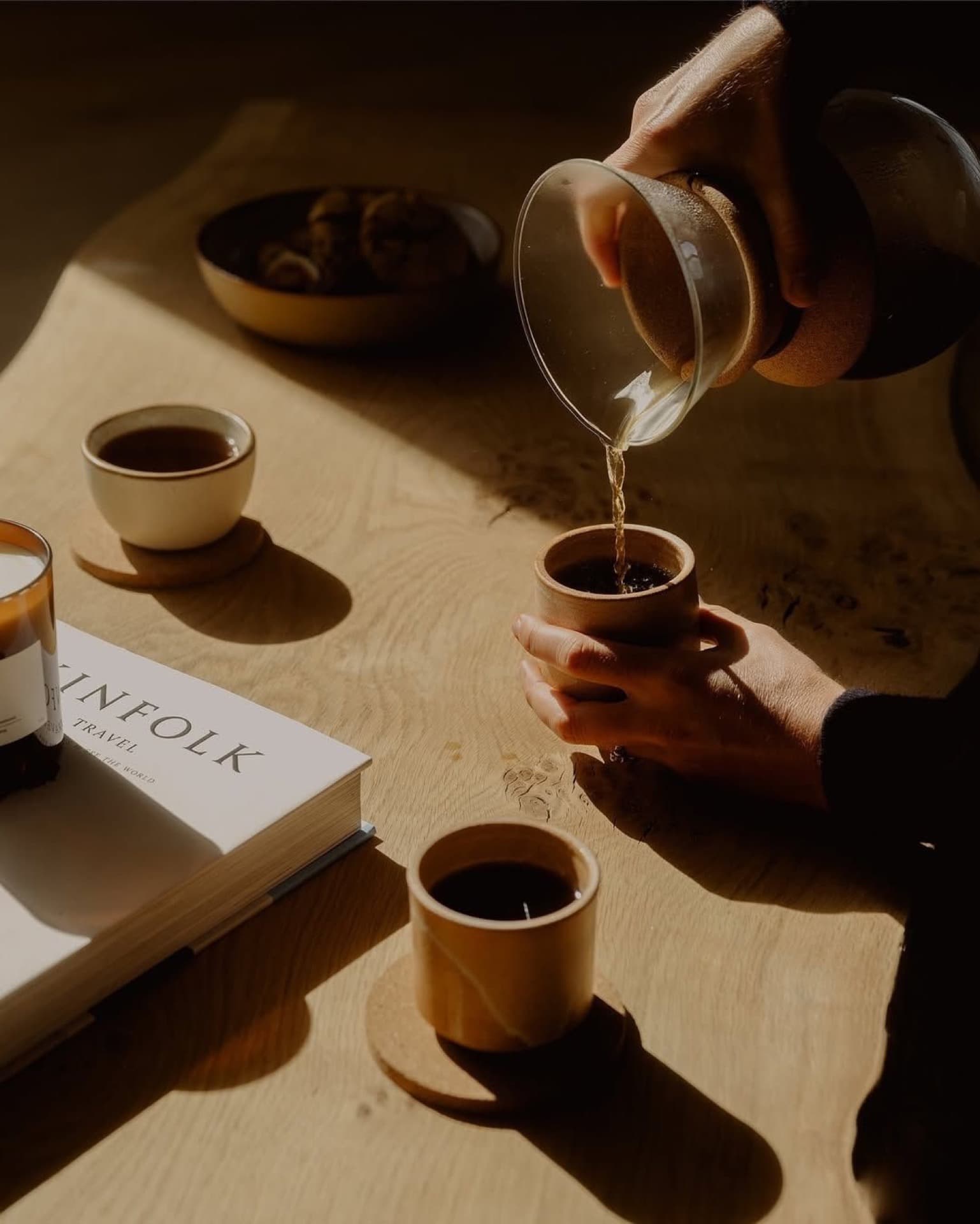
The main disagreement across the traditions is on the evening drink. Ayurveda says warm milk with a pinch of nutmeg. TCM says a decoction of jujube date. Unani says a light infusion of chamomile. Modern sleep medicine says water, tepid, no caffeine after two in the afternoon. The convergence is on the ritual of drinking something warm and slow. The specific liquid appears to matter less than the pause.
What actually breaks sleep.
The habit sleep medicine keeps coming back to is not the phone. It is the variable wake time. A fixed waking hour, held through the weekend, is the first instruction in cognitive behavioural therapy for insomnia, the treatment NICE recommends before any sleeping tablet. Every tradition already knew this. It is the first thing an Ayurvedic vaidya will tell you and the last thing a modern person will accept.