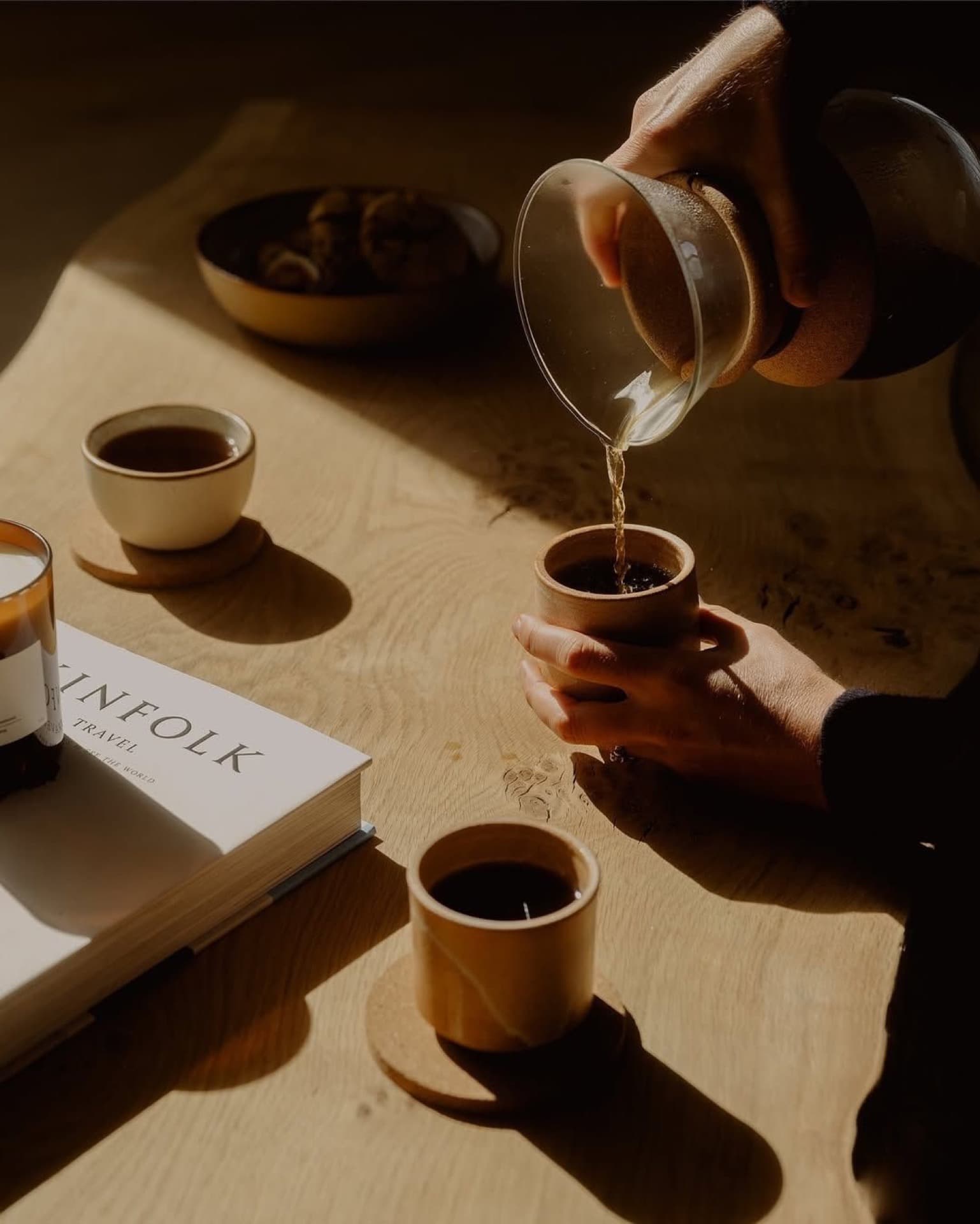
Ask the women in your family what they reach for, and you will get a quiet inventory. Ginger when the mornings turn queasy. A warm drink on the first day of a period. A cup of something before bed in the years when sleep starts to break. None of it came with a leaflet. Someone showed them how, and almost nobody explained why.
The notes were always being kept.
It is easy to call this folklore. The record says otherwise. Ayurveda's classical texts give women's health a field of its own. In Japan, Kampo formulas for menstrual and menopausal complaints are dispensed on prescription today. Cape herbal practice in southern Africa has its own teas for the change. Different continents, different languages, the same instinct: watch women's bodies closely, and write down what helps. The knowledge was kept. It just rarely reached the kitchen with its reasons attached.
And women still reach for it. A BMJ Open survey published in 2026 found 65.9 percent of 1,559 UK adults had used a traditional, complementary or integrative remedy in the previous year. Searches for perimenopause supplements were up 63 percent year on year by August 2026, on Glimpse's trend data. Nobody is chasing a fad. Women want to understand what they are putting in the cup, and why.
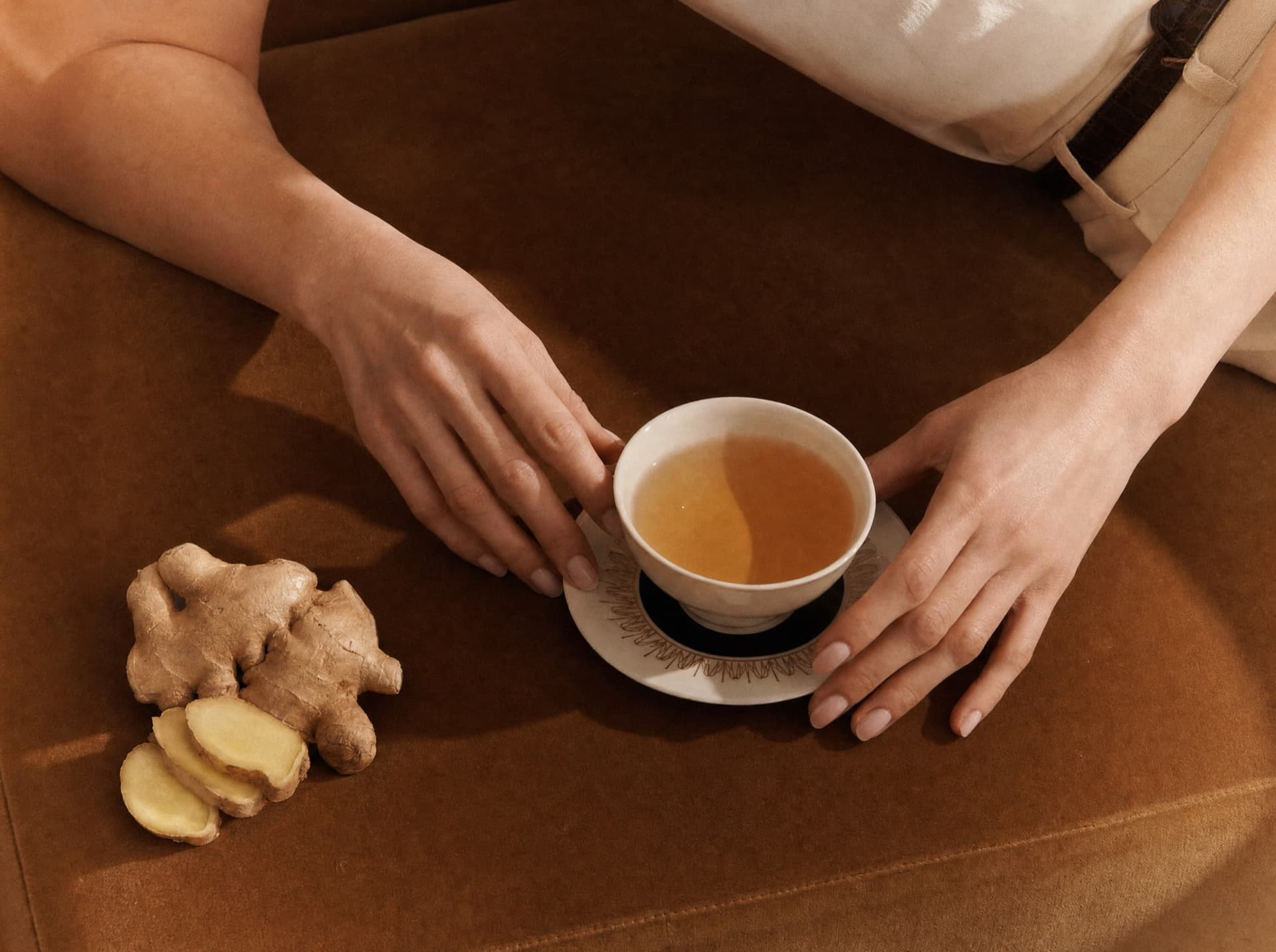
Three jars worth knowing.
One for the start of a family, one for the cycle, one for the years after it. All three can come from a supermarket shelf. Each card opens its full section: how to make it, what stands behind it, and when to leave it alone.

Know what you are holding.
Not every jar carries the same weight. Ginger for pregnancy nausea has a large body of trials behind it. Fennel has a small, promising one. Honeybush rests mostly on long use. Knowing which is which is where understanding starts, and every section tells you plainly. If you are pregnant, taking medication, or thinking of changing prescribed care, talk to your midwife, doctor or practitioner first.
You probably inherited at least one of these habits. Now you can know why it works, or whether it does. Start with one jar.